About Fallbrooke Piano Academy
Fallbrooke Piano Academy was founded on a simple conviction: that the highest standard of musical training and genuine joy in playing are not in conflict — they belong together. Theresa brings conservatory-level training and a deeply personal approach to a small, focused studio where students are known, challenged, and encouraged to grow.
Meet Theresa
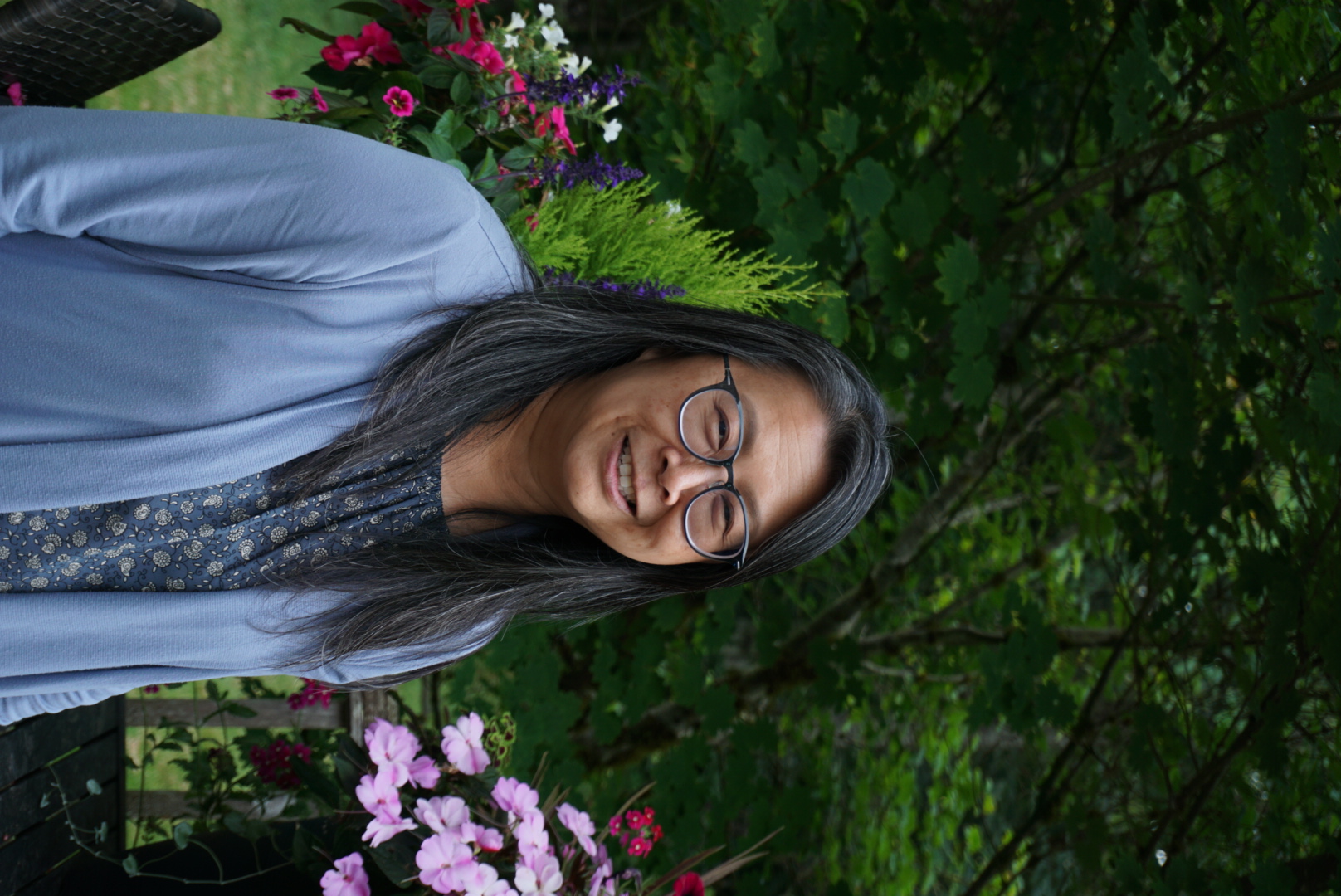
Theresa has spent her entire life in music — and more than three decades teaching it. She has guided students through RCM examinations and university auditions, and she has taught students to sit down at the piano, hear a chord progression, and play from lead sheets and chord charts. In her experience, rigorous training and musical freedom aren't opposites. They're the same pursuit, approached from different directions.
Training
She began her own RCM studies as a child and was teaching by fifteen. At sixteen she completed her ARCT Associate Diploma in Performance. What stayed with her from those years wasn't the diploma — it was learning what sustained, patient work actually feels like from the inside, and how much of it a student can handle when the teacher gets the pacing right.
She went on to the University of Toronto for a Bachelor of Music in Piano Performance and a Master of Music in collaborative piano, studying with Patricia Parr both as her professor and as her private teacher. Parr trained at the Curtis Institute under Rudolf Serkin, and taught the way she'd been taught: exacting about detail, but always in service of the whole musician rather than the next examination. That's the approach Theresa brings to her own studio.
Performing and Collaboration
Collaborative piano shaped how she hears music. She worked extensively as an accompanist in Toronto, and in Waterloo performed regularly alongside violinist Alec Catherwood — sought out for the musicianship she brought to shared performance. During her Master's, the Lindelton Trio, which she co-founded, was selected for the Classical Music Chamber Music Residence at the Banff Centre for Arts and Creativity. She later co-founded the Trillium Trio and served as music director and organist at Toronto Formosan Presbyterian Church — chapters that came to a close when her family relocated to the Pacific Northwest.
In the years that followed she served as music director and worship leader at two churches in the greater Seattle area, leading choirs and directing ensembles. Those years deepened something she now teaches deliberately: chord theory, voicing, lead sheet reading, and the ear-based musicianship that lets a student hear a progression and respond to it. It's the foundation of the studio's Contemporary & Chord Studies track. She developed the approach with her own children first, and watched what it unlocked.
In the Studio
Theresa is also a classical homeschool educator and co-op director, which means she understands how students actually learn — and how a family fits real practice into an already full week. Music has never been confined to the studio in her home: her three children play violin, cello, guitar, and ukulele, sing in choir, and study piano alongside it all. She knows firsthand what it takes to build a musical family.
Across studios in Toronto, Waterloo, and Woodinville, her approach has stayed the same — warm and encouraging, with genuinely high standards. She believes every student is capable of more than they think, and her job is to help them discover that, joyfully. Whether a student arrives with a goal, a curiosity, or simply a love of music, she'll meet them there.
Credentials
- BMus, Piano Performance — University of Toronto MMus, collaborative piano — University of Toronto
- ARCT (Piano Performance) — Royal Conservatory of Music
- Studied under Patricia Parr — Curtis Institute, student of Rudolf Serkin
- Former chamber musician — two professional piano trios (Lindelton, Trillium)
- 30+ years of teaching experience
- Member, Music Teachers National Association (MTNA)
- Member, Washington State Music Teachers Association (WSMTA)
- Member of local chapters: Lake Washington Music Teachers Association (LWMTA) and Eastside Music Teachers Association (EMTA)
The Fallbrooke Approach
Beginning Students
The earliest lessons shape the most consequential habits — hand position, wrist alignment, finger independence, posture. Getting these right requires a teacher with the training and technical vocabulary to pass them on precisely.
Theresa has walked the full path herself, from first lessons through conservatory training — so she can teach the fundamentals with an eye and ear on where they lead.
Contemporary & Chord Studies
Not every student wants to sit an examination. Some want to play at church, lead worship, accompany a singer, or work out a song they heard that week. Theresa teaches chord theory, voicing, lead sheet reading, and the ear training that makes those things possible — with the same technical foundation underneath. Students in this track often read notation well; they simply aren't confined to it.
Adult Students
Theresa also welcomes adult learners — whether you played as a child and want to come back to the piano, you're picking it up for the first time, or you want to develop the skills to play at church, accompany your family's singing, or simply play the music you love. Adult lessons are structured around your goals and paced for your life. The standard is the same care and musical rigor every Fallbrooke student receives — adapted to where you are and where you want to go.
Learning Happens in Community
Theresa's conviction is that students grow not only from their own lessons but from watching peers perform, hearing how a piece can be interpreted differently, and understanding that the work of becoming a musician is shared. That is why every enrolled student at Fallbrooke is invited to participate in a semester recital.
Every Student's Path Is Different
No two students arrive with the same goal, so no two programs look quite the same. Theresa builds each student's path around where they are and what they want — the repertoire, the pacing, and how much emphasis falls on examination work, technique, or playing by chord.
For students who want the most structured and demanding path, she supports RCM Examination Preparation through Grade 10 and the ARCT diploma — the same sequence she completed herself. It is rigorous by design, and it is a choice, not a default. Students who want real proficiency without examinations get the same standard of teaching, measured differently.
What every path has in common is the goal: proficiency that lasts, and music that stays a source of enjoyment for life.